


5 min read
Can You Take Creatine with HRT? Safety, Dosing, and Menopause Questions
Yes — creatine is safe to take alongside HRT for most healthy people. There is no evidence of a clinically meaningful interaction between creatine monohydrate and standard hormone replacement therapy. Direct studies on the combination are limited, but creatine’s safety record across women of all ages is extensive, and HRT prescribing information raises no creatine-specific concerns. Here is what the evidence shows and how to start safely.
Medical disclaimer: This article is for general education only and is not medical advice. Hormone replacement therapy is prescription treatment, and whether creatine is appropriate depends on your personal medical history, kidney function, and other medicines. If you are unsure, speak to your GP, menopause specialist, or pharmacist before starting creatine.
 Three gummies a day — small enough to fit a routine you already have.
What Is HRT and Why Does It Come in Different Forms?
HRT replaces hormones that fall during menopause, mainly estrogen and progestogen. If you still have a womb, you typically need both for endometrial protection, whereas estrogen-only HRT is generally used after hysterectomy. HRT can be taken orally as tablets or through the skin via patches, gels, or sprays, and the most commonly used estrogen is estradiol.
Route matters for side effects and risks. NHS guidance notes that tablets carry a higher blood clot risk than patches, gels, or sprays, even though overall risk is still low. This difference is about HRT pharmacology, not creatine, but it helps explain why two people on "HRT" can have very different day-to-day experiences.
Why People Search "Creatine and Estrogen"
Many people ask about creatine and estrogen because menopause is a point where strength, body composition, and training recovery can change noticeably. Muscle strength commonly declines around menopause, and NHS guidance explicitly notes that HRT may help maintain it alongside exercise. Creatine enters the conversation because it is one of the most researched supplements for high-intensity work and resistance training adaptation.
There is also a biological reason the question feels intuitive. Research has described hormone-related changes in creatine metabolism across the lifespan, with sex hormones such as estrogen and progesterone influencing creatine-related enzyme activity. This does not automatically imply a supplement-drug interaction, but it explains why the topic is widely discussed in women’s health and fitness spaces.
Can You Take Creatine with HRT?
The best evidence-based answer is that there is no established interaction showing creatine monohydrate reduces HRT effectiveness or creates a predictable safety problem in otherwise healthy people. Creatine monohydrate has an extensive safety record across sport and clinical research, including long-term use across a wide range of populations, and major position statements consider it safe and well tolerated when used appropriately.
What is less clear is the evidence specific to HRT users, because the combination has not been studied as a dedicated clinical question in the way creatine has been studied for sport and aging more broadly. In practice, that means your main decision points are GI tolerance, kidney health context, and whether your clinician wants to monitor your labs.
Made to fit the routine, not rearrange it
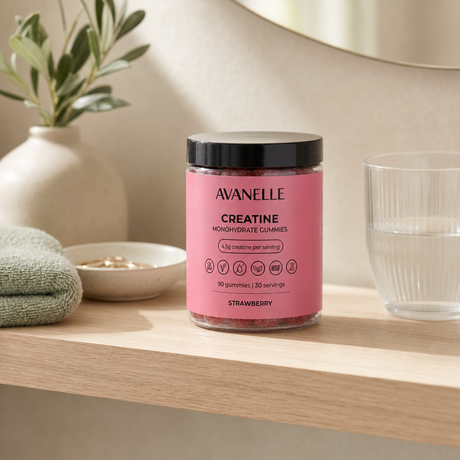
4.5 g of creatine monohydrate in three gummies, taken whenever suits — with breakfast, with everything else. No mixing and no loading phase.
- 4.5 g per serving
- 3 a day
- Sugar-free
- Vegan
How to Take Creatine While on HRT

For most adults, a maintenance dose of 3 to 5 grams per day of creatine monohydrate is the standard evidence-based approach. It will raise muscle creatine gradually over several weeks without the need for a loading phase. If you already deal with nausea, reflux, or bloating — common experiences during menopause and HRT adjustment — skipping loading is the practical choice. Loading is more likely to trigger gastrointestinal discomfort, and it offers no meaningful long-term advantage over a steady daily dose.
If stomach upset is a concern, split your dose and take it with food. Creatine monohydrate gummies can be easier to take with a meal than mixing powder, particularly when appetite is variable. For a full breakdown of how formats compare, see our creatine gummies vs powder guide.
Also note that creatine is broken down into creatinine and excreted through the kidneys. If you are getting kidney blood tests as part of your health monitoring, tell your clinician you supplement so results are interpreted in the correct context.
Kidney Function, Polypharmacy, and When to Involve Your Clinician
If you have known kidney disease, unexplained abnormal kidney labs, or you take several medications, do not self-prescribe creatine. While evidence does not show creatine harms renal function in healthy people, people with pre-existing kidney conditions are advised to consult a clinician before supplementing. That is the right bar for HRT users with complex medical histories too.
For specific drug combinations, see our guides to creatine and statins, creatine and metformin, and creatine and SSRIs.
You can use this language with your prescriber or pharmacist:
"I am on HRT and considering creatine monohydrate at a maintenance dose of 3 to 5 grams per day with no loading phase. Are there any concerns given my kidney function, my other medicines, and how you currently monitor my labs?"
FAQ
Can you take creatine with HRT?
For most healthy people, yes. There is no established interaction showing creatine reduces HRT effectiveness or causes a predictable safety problem. The main practical considerations are GI tolerance, kidney health, and keeping your clinician informed.
Will HRT change how creatine works?
It may change the context more than the mechanism. Hormonal status can influence creatine metabolism and enzyme activity, but creatine’s core role in supporting energy for high-intensity work remains consistent across life stages.
Can creatine affect oestrogen or HRT efficacy?
There is no strong evidence that creatine monohydrate reduces HRT efficacy. The broader evidence base positions creatine as low risk and well tolerated. Direct studies measuring HRT blood levels with and without creatine are limited, so informing your clinician is still sensible.
Is creatine safe during menopause?
In healthy people, creatine monohydrate is widely considered safe at recommended doses, including in older adults. Post-menopausal women may experience benefits in muscle size and function, particularly when paired with resistance training. If you have kidney disease, get medical clearance first.
How much creatine should I take while on HRT?
3 to 5 grams per day as a maintenance dose, no loading phase needed. Take it with food if GI sensitivity is a concern, and stay well hydrated.
Can you take creatine with lisinopril?
Lisinopril is an ACE inhibitor used for blood pressure, and there is no documented interaction with creatine at standard doses. Because both involve the kidneys, anyone with chronic kidney disease should check with their doctor first, and tell your clinician you supplement if your kidney labs are monitored.

Avanelle Creatine Monohydrate Gummies deliver 4.5g of pure creatine monohydrate per serving in three sugar-free, 100% vegan gummies, with no artificial colours, no loading required, and easy to take with a meal. Shop all flavors.

One more thing in the morning. That's all it asks.
4.5 g of creatine monohydrate, three sugar-free gummies, one bottle a month.
See all options












































